A water bottle pump transfers purified water from large bottles to cups, pitchers, or tanks. These devices can supply water at different temps. They are essential in homes, offices, and events for easy availability to quality water. This convenience requires minimal installation.
Purchase Bottled Water Dispenser Pump
The need for effective water dispensing is climbing in the US, as people value ease and flavor. You can choose between both bottled and bottleless types. Bottled units need electricity and bottle swaps, while bottleless models hook up to the building’s plumbing and feature filtration.
This guide in the US explains water bottled pump operations, compares types like Flow Jet and Flojet varieties, and covers power sources. For parts or service, Installation Parts Supply.com is a top choice for pump spares and additional requirements listed.
Read this brief overview to comprehend bottled water dispenser pump choices more clearly. Pick specs that suit your requirements and learn the basics of troubleshooting and maintenance prior to purchase.
Home And Office Water Dispenser Options
Choosing between jug vs. plumbed water dispensers depends on consumption habits. Small spaces and residences might lean towards mobility and simple installation. Meanwhile, bigger facilities prioritize a continuous flow and reducing trash.
Differences between bottled and bottleless systems
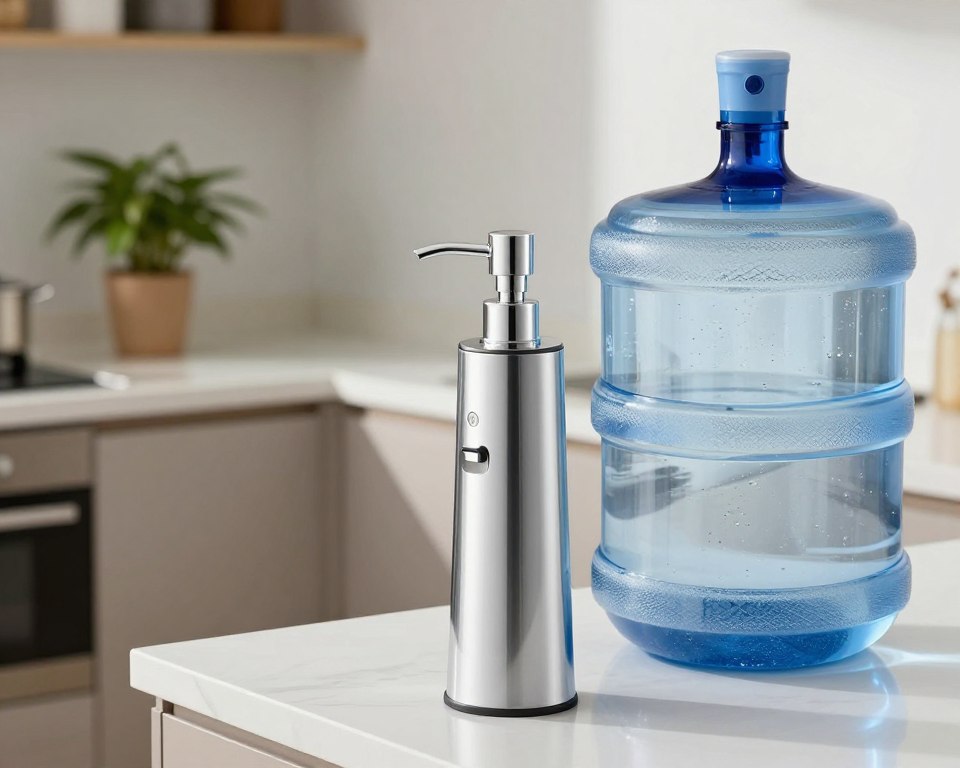
Bottled dispensers use pre-sealed containers, available in different capacities. They provide chilled, heated, or ambient water and are simple to initiate. You just load a jug, plug in, and dispense.
On the other hand, plumbed-in coolers hook up straight to the mains supply. They incorporate filters to purify the water and need plumbing setup and periodic maintenance. This option suits places needing a constant water source.
Advantages of portable bottled dispensers
You don’t need plumbing for these units, rendering them perfect for spots that frequently move things. They are mobile, fitting reception areas and temporary events.
They reduce the burden of keeping water on-site. Sealed jugs also lower the risk of impurities and typically feature no-spill caps for hygiene.
When a mains-fed dispenser makes more sense
In high-traffic areas like big corporate spaces or fitness centers, the usage surpasses what bottled units can handle. A mains-fed unit satisfies the requirement for heavy use and reduces the dependence on plastic waste.
Eco-conscious businesses opt for mains-fed devices. They are ideal where built-in filtration is required to ensure continual access to clean water, removing the necessity of bottled storage.
Typical settings and use cases in the United States
Bottled dispensers are seen in small firms, temporary stores, and home kitchens—locations where fixed plumbing is not feasible. They work well with specialized pumps, enhancing mobility.
Mains-fed setups are frequently found in large workspaces, educational residences, and commercial food prep areas that have plumbing facilities. They enable a steady flow and are greener.
Bottled Water Dispenser Pump
A bottled water dispenser pump transfers water from a jug to your tap or tank. It uses suction, diaphragm displacement, or mechanical seals. This maintains the water clean and guarantees a steady stream. These devices are built into dispensers for easy, sanitary use.
The Mechanics Of Dispenser Pumps
Devices pull water from sealed bottles, routing it to a spout or tank. They use diaphragm mechanics to stop pollution. For gravity-fed units, the bottle is inverted on a sealed neck. With pump kits or bottom-load conversions, lifting heavy jugs is avoided.
Manual Vs. Electric Vs. Touchless Pumps
Hand pumps, operated by hand or lever, don’t require electricity and are cheap. Electric pumps, running on mains or battery, maintain pressure for hot and cold water. Sensor pumps, which use sensors, provide sanitary access in public areas.
Powered units often use diaphragm-style pumps, known for steady flow. A good pump adapts to various dispensers, from tabletop models to mobile stations. These adaptable designs ensure reliable operation.
Pump Compatibility For Various Jugs
Most pumps match standard 18.9L bottles and gallon jugs alike. Adapters and non-spill caps fit 3-gallon bottles and different regional bottles. Various connectors in bottom-load kits facilitate compatibility with different openings.
Typical Installation And Replacement Guidance From Installation Parts Supply.com
Installation Parts Supply.com advises choosing units that fit your system and jug size. Always use safe hoses and safe plastics. For swapping diaphragm pumps, checking gaskets are intact is crucial. For plumbing modifications or bottom-feed installs, securing professional assistance ensures correct wiring and no leaks.
Top Features To Look For In A Bottled Water Dispensing Pump System
Selecting the ideal bottled water dispensing pump needs consideration. Flow, energy, hygiene, and build quality are essential. These features greatly impact its performance and long-term worth in various settings.
Speed and water flow
The pumping speed influences both the fill rate and user satisfaction. To make an informed choice, seek out the GPM or LPM specs for benchmarking.
High-quality diaphragm pumps excel in ensuring steady flow and clean operation. They are ideal for minimizing spills during use. For robust needs, select plumbed options; for less intense environments, compact pumps suffice.
Power choices: Battery vs. AC
Rechargeable pumps are versatile, suitable for areas without permanent setups. Meanwhile, battery options are great for quick installation at gatherings or outdoors.
Plug-in pumps are designed for continuous use, with features such as temp control. They are perfect with sensor activation for busy or communal areas.
Sanitary features for clean water
To limit contamination, pick pumps with no-spill caps and tight fittings. Enclosed spouts and good gaskets also provide a barrier from contaminants, preserving water’s taste.
Touchless units reduce the spread of germs in public places. Adding regular cleansing routines heightens safety.
Build quality and material choice
Select dispensers made with BPA-free plastics, food-grade silicone, and stainless steel. These substances maintain purity and durability with daily wear.
Opt for designs that ensure long life via sturdy casings and spare parts availability. Using official parts from reputable sellers ensures warranty protection and operates smoothly.
When evaluating options, examine flow jet pump specifications and verify compatibility of matching components like a water pump flojet. Additionally, double-check guarantee terms for the unit.
Finding The Perfect Water Pump For Your Environment
Picking the correct unit means thinking about the number of users, service speed, and location. Align the reservoir capacity and pump output with your actual needs daily. For apartments and low-traffic workplaces, a simple water bottled pump or a standard unit is sufficient. However, high-traffic spots need dispensers with higher liters-per-hour capacities.
To estimate usage, figure out the water usage in liters. A family of 4 usually uses 13L–18.9L bottles with a matching dispenser. Conversely, high-demand areas like staff kitchens or dining areas benefit from bigger reservoirs or plumbed lines, providing quick access to both hot and chilled water instantly.
Considerations for offices, hospitality, and residential use
Workplaces require durable, touchless units with service contracts and robust parts. Hotels and dining venues focus on fast refill times, visually appealing units, and variety, such as chilled or sparkling water options. Residential settings often opt for portable bottled water pumps, focusing on small, independent units.
Saving energy and going green
Evaluate the energy usage of pumps in both standby and operational modes. Ambient pumps consume less power. To cut down on plastic jugs, consider installing mains-fed filters. Buy efficient cooling and efficient pumps to lower bills and impact.
Installation, maintenance, and service options
Jug pumps are easy to set up: just attach a bottle and switch on. Systems connected to the main water supply might need professional fitting. In the US, many vendors offer setup support, spares, and maintenance contracts. Regular upkeep, such as changing filters and cleaning tanks, ensures reliable performance over time.
Troubleshooting Tips And Spare Parts
Small issues in dispensers can often be traced to simple causes. Always check the electricity, buttons, and check airflow. A clogged hose or an worn gasket might stop water. In plumbed coolers, blocked cartridges and scale buildup can lower flow and impact performance.
Reasons For No Water Or Low Flow
Units not working might just be unplugged or turned off. Compressors need sufficient space for airflow to work well, preventing frequent on-off cycles. Portable pumps stop working when batteries are depleted. For bottleless units, worn-out filters, limescale, or issues in the plumbing can drop the pressure.
Fixes For Pumps That Are Not Pumping Or Have Low Flow
Begin troubleshooting by checking the plug, testing all switches, and checking charger connections for cordless models. Make sure inlet tubing and spouts are unclogged. To solve leakage issues, replacing no-spill caps or gaskets usually helps, stopping the leak.
For diaphragm pumps, like those of the Flojet model, checking and swapping the internal rubber parts is necessary. These parts wear out, affecting suction and output. A common repair for a branded pump means buying new diaphragms or valve kits, sold by Installation Parts Supply.com, which supports a many types.
Wireless pumps perform best with fresh batteries or a full charge. If a dispenser connected to the mains has slow water, replacing inline filters or filter elements as recommended by the manufacturer is suggested. Ensure the filters match the size of your unit to maintain optimal performance.
Cleaning, Sanitizing, And Filter Replacement Best Practices
Regularly sanitize reservoirs and nozzles to prevent biofilm formation. Utilize food-grade cleaners and follow rules from the EPA, CDC, or the manufacturer for water safety. Buttons and levers that are touched often require more frequent cleaning.
Based on how much the dispenser is used and the water source, replace sediment, carbon, and ultrafiltration cartridges accordingly. Keeping a record for service dates helps tracking. Keeping the system clean and timely filter swaps helps maintain both water flow and quality.
Where To Buy Genuine Replacement Parts And Pumps
Always choose parts that correspond to your unit model and material specifications. Opt for BPA-free, food-grade components to guarantee safety and warranty compliance. For trustworthy parts, including pumps, seals, and tubing, visit Installation Parts Supply.com.
If you’re replacing a pump in a dispenser that’s plumbed in, hiring a professional is recommended. They can prevent leaks and electrical risks, making sure the replacement, whether a specific water pump flojet or a generalized repair, is fitted right.
Final Thoughts
Choosing the right bottled water dispenser pump is vital. It relies on its usage location and intended use. Portable setups or areas without pipes are perfect for a jug pump. It’s easy to install and gives fast water. For those prioritizing lots of water, minimal plastic use, and top-notch filtration, a plumbed cooler is recommended.
It’s important to align the pump type and flow with your daily needs. Manual or battery-powered pumps are suitable for low use. Meanwhile, electric diaphragm pumps are perfect for high-demand areas like workplaces. Choosing a dispenser pump involves considering the flow rate, power type, and options such as sensor use and hygienic caps for cleanliness.
Caring for your dispenser pump is essential for good flavor and durability. Routine washing, timely filter changes, and genuine parts are necessary. For US customers looking for Flojet-style pumps, Flow Jet units, hoses, or setup tips, it’s best to turn to reputable suppliers. They can provide the needed parts to maintain your unit.
Related: Septic System Pump Out Los Angeles